
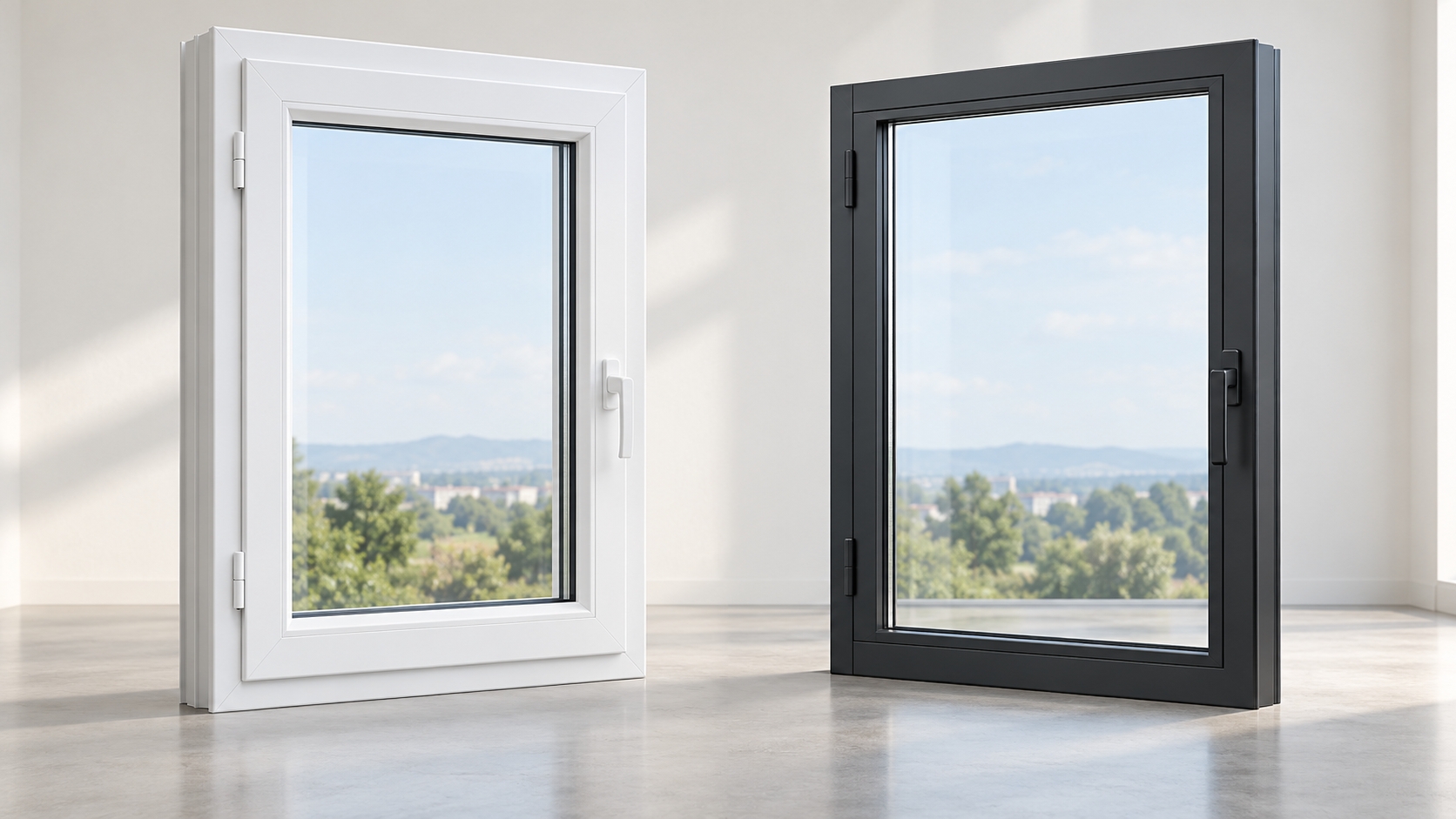
UPVC and aluminum are two of the most widely used materials for modern windows and doors. Both can provide reliable performance when the profile system, glass, hardware and fabrication quality suit the project. The better choice depends on the building type, opening size, climate, design preference and budget. This guide explains the practical differences so buyers can choose a suitable specification instead of selecting a material by appearance alone.
The main material difference
UPVC is a rigid plastic profile system designed for windows and doors. Its multi chamber structure helps reduce heat transfer, and internal steel reinforcement can be added where the design requires more strength. Aluminum profiles are metal systems with a slimmer visual appearance and higher inherent rigidity. Standard aluminum and thermal break aluminum perform differently, so the exact profile series matters when thermal insulation is important.
|
Factor |
UPVC |
Aluminum |
|
Thermal performance |
Naturally low heat transfer |
Depends on system; thermal break performs better |
|
Frame appearance |
Usually wider profiles |
Slimmer profiles and larger glass areas |
|
Large openings |
Suitable within system limits |
Often preferred for larger panels |
|
Maintenance |
Low maintenance |
Low maintenance with suitable surface finish |
|
Color options |
White, solid colors and woodgrain finishes |
Powder coating, anodizing and woodgrain finishes |
Thermal comfort and energy performance
UPVC generally provides good thermal insulation because the material does not conduct heat as readily as metal. Multi chamber profiles and sealed insulating glass can further improve comfort. Aluminum can also meet demanding thermal requirements when a thermal break separates the interior and exterior parts of the profile. For a project in a hot or cold climate, buyers should compare the complete window system rather than the frame material alone. Glass composition, spacer, sealing quality and installation can affect performance as much as the profile.
Strength and opening size
Aluminum is usually the more practical option for very large openings, slim frames, commercial façades and heavy glass. UPVC performs well for common residential sizes, but large sashes may need reinforced profiles, additional mullions or a revised opening configuration. Wind pressure, floor level and hardware capacity should be considered before confirming the design. A drawing review is therefore important for projects with wide sliding doors, tall casement windows or exposed elevations.
Appearance and color
UPVC is commonly supplied in white, but black, grey, brown and woodgrain finishes are also available. Aluminum offers a broad range of powder coated colors and can create narrower sightlines. Color selection should consider more than style. Dark exterior colors absorb more heat, coastal environments require a suitable surface treatment, and different materials may not produce an identical shade even when the color names are similar.
Which material should you choose
· Choose UPVC when thermal comfort, low maintenance and residential value are the main priorities.
· Choose aluminum for large openings, slim frames, heavy glass or a more commercial architectural appearance.
· Consider a combination of both materials when different parts of the project have different structural or design needs.
The final specification should be based on window size, opening method, glass weight, local weather and installation conditions. Send us your drawings, dimensions and project location, and our team can recommend a suitable profile, glass and hardware configuration.
Common selection mistakes
One common mistake is comparing a basic UPVC quotation with a premium thermal break aluminum quotation as if the frame material were the only difference. The glass, reinforcement, hardware, profile wall thickness and surface finish may account for much of the price gap. Another mistake is using the same material decision for every opening. A small bathroom window, a wide living room opening and a commercial entrance may need different systems. Review the schedule by size and function, then compare quotations using the same glass and hardware assumptions.
Buyers should also check the supplier's maximum recommended sash sizes and ask how unusually large units will be reinforced. If a requested design is close to the system limit, dividing the opening or changing one panel to fixed glass may improve reliability without changing the overall appearance. A clear technical review before production is more useful than choosing the lowest unit price and correcting the design later.